 How-to
Book Same Day Debris Removal: 2026 Booking Guide
Table of Contents
- How to Book Same Day Debris Removal
- What Same Day Availability Depends On
- Debris Removal Cost: What Affects Your Quote
- Accepted and Prohibited Debris for Removal
- Construction Debris Removal and Roll-Off Dumpster Rental Options
- Property Cleanout Service: Preparing Your Debris for Pickup
- How to Compare Providers and Verify Legitimacy
- Frequently Asked Questions
Last Updated: October 21, 2026
How to Book Same Day Debris Removal
Booking same day debris removal comes down to three things: a clear inventory, a confirmed access plan, and a provider with an open slot today. At Take Away Dump Services LLC, we take calls from homeowners and contractors who need a pile gone before a tenant moves in or a project stalls.
Same-day pickup is not guaranteed anywhere, and any company promising it before asking what you have is guessing. Availability depends on route density, crew capacity, and debris volume.
What You'll Need Before You Call
Have four things ready before you dial: a rough inventory (furniture, appliances, yard waste, construction debris, or a mix), photos from the street showing the full pile, access details including gate codes, driveway width, and any low wires or tight turns, and a realistic sense of volume.
Photos let a dispatcher quote accurately and send the right trailer size the first time, often the difference between a same-day slot and a callback tomorrow.
Step-by-Step Booking Process
- Call or text with your inventory and photos. Describe the debris types and send pictures from a few angles.
- Confirm your address and access. Mention driveway surface, slope, gate width, and where the pile sits relative to the street.
- Get your firm quote. Ask whether the price includes loading, hauling, disposal fees, and any weight limits.
- Lock the appointment slot. Ask for a window, not just a day, and get the cutoff time for changes.
- Stage the debris before the crew arrives. Move items to the agreed spot and clear a path.
- Walk the pile with the crew lead. Point out anything that cannot be hauled, like paint, tires, or chemicals.
- Confirm the sweep and get your receipt. Verify the area is clear before the truck leaves.

What Same Day Availability Depends On
Same-day availability is a slot that either exists in the day's route or does not. Four variables decide it: crew capacity, route proximity, debris volume, and how complete your booking information is when you call.
The Cutoff Time Is the First Filter
Most providers have a practical cutoff for same-day requests, earlier than most callers expect. A mid-morning request can often be routed into an afternoon gap; a mid-afternoon request usually rolls to the next business day, because remaining trucks are committed and the disposal facility may close before a new job could be loaded and tipped.
Ask two questions when you call: today's cutoff for same-day booking, and the latest you can change or cancel without a fee.
How Crew Capacity and Route Density Create a Slot
A same-day slot appears when a scheduled job finishes early near your address, a cancellation opens a window on a route already working your side of town, or a small job fits between two larger ones without pushing either back.
Route proximity matters as much as raw capacity. A truck already working your area can absorb a small haul between jobs; a truck across the region cannot, even if idle, because drive time eats the slot.
Volume Decides Whether You Fit the Gap
Small jobs fit gaps; large jobs need a dedicated window. A furniture set, a few dozen bags of yard debris, or a mattress and box spring can often be squeezed into an existing route.
Take Away Dump Services LLC offers disposal trailers in 14 and 18 yard sizes, which can match equipment to the job. Tell the dispatcher the approximate trailer size you need and let them confirm it from your photos.
Access and Booking Completeness
Access decides speed. A wide, flat driveway lets a crew load fast; a narrow gate, steep slope, stairs, or a pile at the back of the property adds time and sometimes requires a longer slot.
Booking completeness is the variable you control most directly. A caller with photos, an inventory, and access details can be quoted and scheduled in one call; a caller who has to text pictures later often loses the slot to the next caller in line.
When Same-Day Is Not Available: A Realistic Backup Plan
If no slot exists today, ask for the first available window tomorrow and confirm whether the quote holds. Then use the delay:
- Stage the debris at the curb or driveway edge so the crew loads faster and the appointment takes less time.
- Sort hazardous and prohibited items out so the load is not rejected at the facility.
- Consolidate loose debris into bags or boxes so volume is predictable and the quote does not change on arrival.
- Confirm access, gate codes, vehicle removal, and any locked areas, so tomorrow's slot does not slip.
A next-morning slot with a staged pile often clears faster than a same-day slot on a pile the crew has to dig out of a backyard.
Debris Removal Cost: What Affects Your Quote
Debris removal pricing is not a flat rate, and any quote that arrives before someone asks what is in your pile is a guess. A firm quote is built from five inputs: volume, weight, material type, access, and disposal cost at the receiving facility.
How a Quote Is Actually Built
Pricing for a haul can be structured in a few ways:
- Flat rate by load size. You may be quoted a price for a 14-yard or 18-yard trailer, loaded and hauled. Confirm what happens if the pile runs over the quoted size.
- Volume plus weight. The base price may cover the trailer, with heavy materials like concrete, shingles, or dirt adding a per-ton charge because disposal facilities bill by weight.
- Time and materials. This model is common for cleanouts and demolition, where the crew bills hourly plus disposal. Ask for the hourly rate and the disposal pass-through before you approve.
Ask the dispatcher which model applies. A flat-rate quote on bagged leaves and one on roofing shingles should not be the same number, and if they are, ask why.
The Five Cost Inputs, In Order of Impact
| Cost Factor | What Drives It | How to Control It |
|---|---|---|
| Volume | Trailer size needed (14 or 18 yard) | Consolidate the pile before pickup |
| Weight | Heavy materials like concrete, shingles, or dirt | Keep heavy debris in a separate pile and ask for a per-ton rate |
| Material type | Disposal and recycling fees vary by stream | Sort recyclables, metal, and yard waste out before the crew arrives |
| Access | Distance from truck to pile, gates, slopes, stairs | Stage debris at the curb or driveway edge |
| Timing | Same-day, weekend, or after-hours requests | Book early in the business day and accept a window, not a exact time |
Volume and weight most often change a quote after the fact. A pile that looks like a half trailer from the street can be a full trailer once loaded, because debris does not stack the way it sits. Photos from a few angles let the dispatcher size the trailer correctly the first time.
Minimum Charges, Overage, and What the Quote Should Say
Most providers have a minimum charge covering the truck, crew, and trip to the disposal site, even for a small pile. Ask what the minimum is and what volume it includes, then ask two questions that separate a firm quote from an estimate:
- What happens if the load exceeds the quoted volume? A reputable provider states the overage rate per additional yard or per ton before the truck arrives.
- Are disposal fees included? The tipping fee at the transfer station or landfill is a real cost. Confirm whether it is baked into the quote or billed separately.
A written quote should list the volume included, any weight limit, disposal fee treatment, and any access surcharge for stairs, long carries, or difficult gates. If a provider will not put those terms in writing, keep calling.
Quote Examples by Job Type
Exact prices vary by market and facility, so treat these as structural examples, not rate cards:
- Single bulky item (couch, mattress, refrigerator). Usually priced at or near the minimum charge, since the volume is small but the truck and crew time are fixed.
- Garage cleanout, one trailer. Priced as a flat load rate if the material is light household clutter; add a per-ton charge if it includes heavy items like tile or concrete.
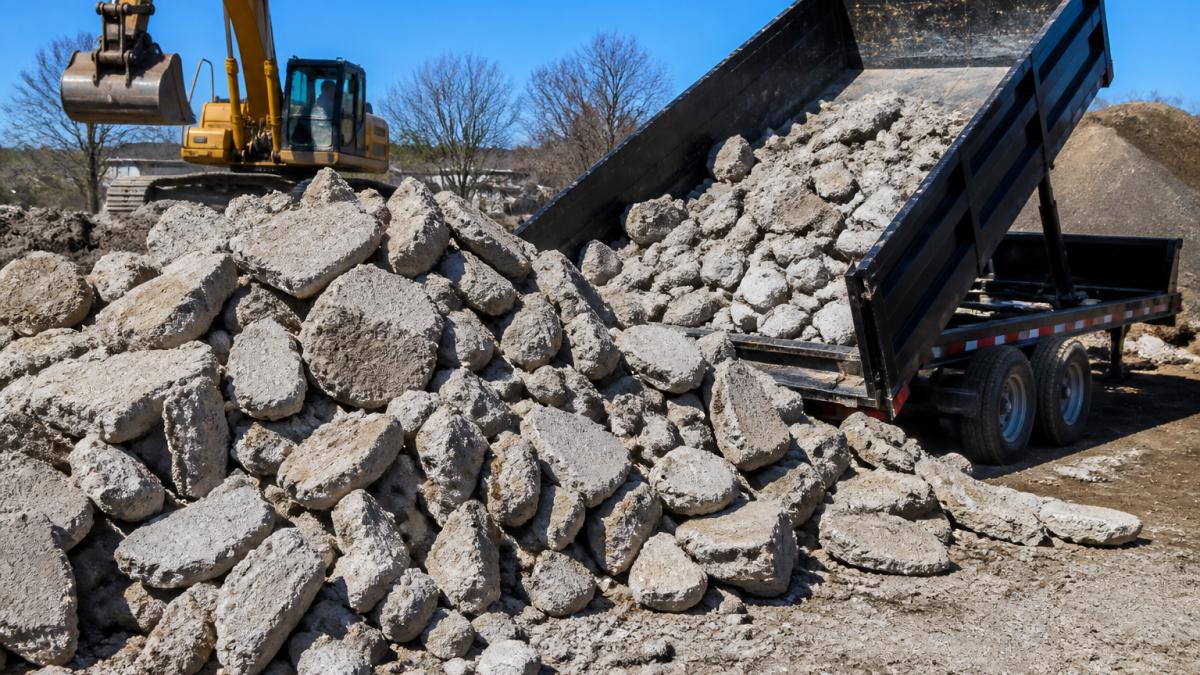
- Roof tear-off. Priced by weight more than volume, because shingles are dense. Expect the disposal portion to be a larger share of the total than on a furniture haul.
Ask for upfront pricing with no hidden fees, and get the overage terms in writing. A quote you can read line by line beats a low number you have to argue about later.
Accepted and Prohibited Debris for Removal
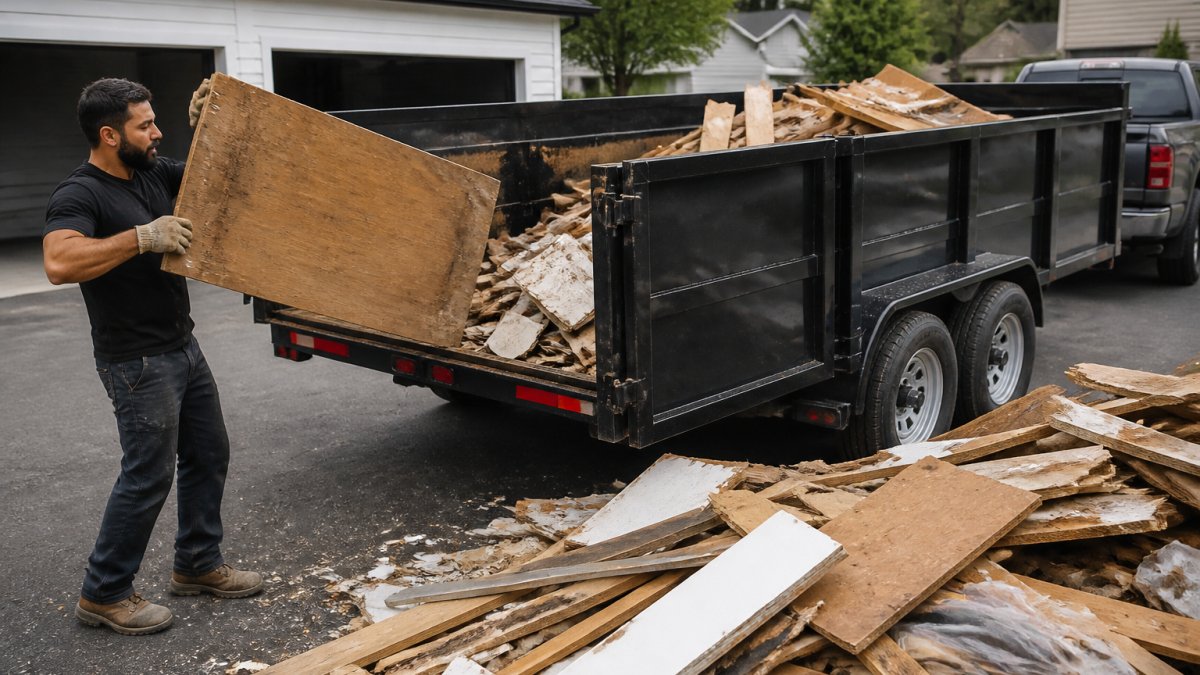
Most providers accept furniture, appliances, mattresses, bagged household clutter, yard debris, fencing, lumber, drywall, roofing shingles, and general construction debris.
Prohibited items are consistent across the industry: wet paint, solvents, motor oil, antifreeze, propane tanks, ammunition, medical waste, and tires in most cases.
Refrigerators, freezers, and air conditioners often require refrigerant removal before disposal, and some states regulate that step.
Construction Debris Removal and Roll-Off Dumpster Rental Options
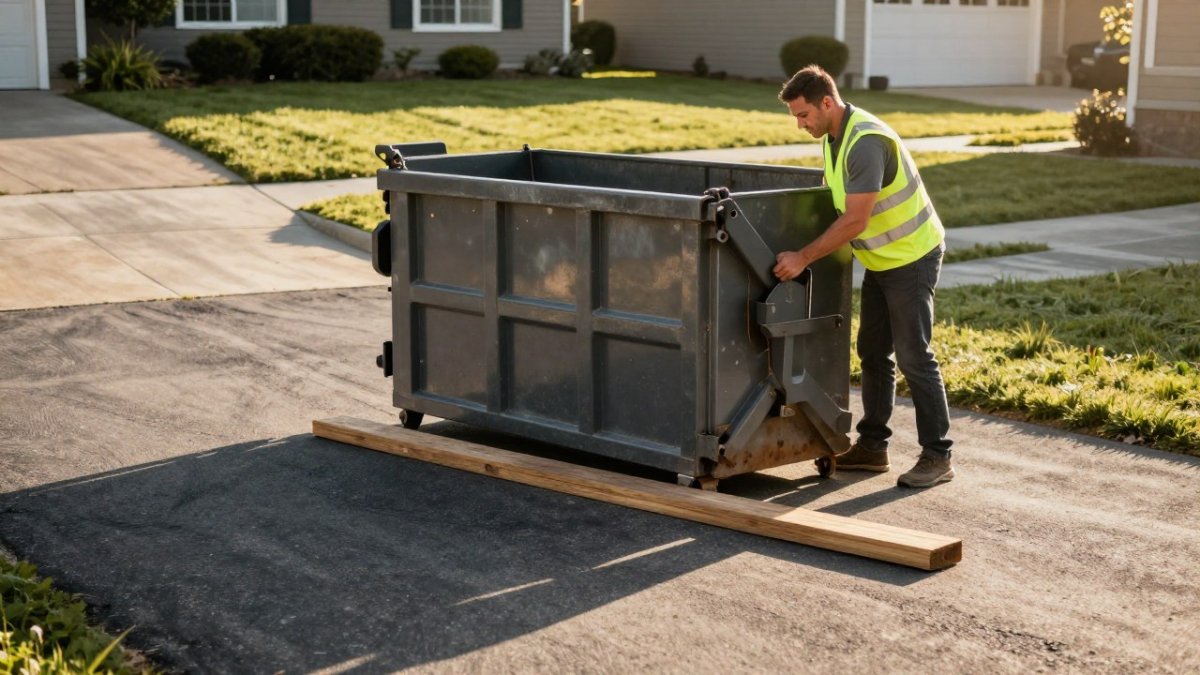
Construction debris removal usually means one of two setups: a crew hauling material away directly, or a roll-off dumpster rental dropped at the site for staged loading.
For a one-day teardown or roof tear-off, direct hauling is simpler: the crew loads and leaves, and you do not manage a container.
Match the container to the material. Roofing shingles are heavy and fill a container fast. Drywall and lumber are bulky but lighter.
Property Cleanout Service: Preparing Your Debris for Pickup
A property cleanout service handles rental turnovers, estate settlements, and garage or attic purges. Preparation is where most same-day requests succeed or fail.
- Move all debris to one agreed staging area near the driveway
- Bag loose items so they do not scatter during loading
- Separate hazardous materials and set them aside
Staging close to the truck is the highest-use step. Every extra 20 feet between pile and trailer adds loading time, and on a tight same-day schedule that can push your job to the next day.
How to Compare Providers and Verify Legitimacy
Verify three things before you book: licensing and insurance, a written quote, and clear disposal terms. Ask for proof of insurance and confirm the policy covers property damage.
Ask where the debris goes. Responsible providers separate recyclables and yard waste, use permitted disposal sites, and will tell you plainly what happens to metal, appliances, and green waste.
Finally, read the quote carefully.
Same-day debris removal only works when the booking is complete and the provider has capacity.
Frequently Asked Questions
Can debris removal be scheduled for the same day?
Same day debris removal is often possible, but it depends on crew availability, your location within the service area, and how early in the day you book. Call or text as soon as you know you need a pickup. Many providers set a cutoff time for same day requests, so morning calls have the best chance. Weekend service may have limited appointment slots, so early booking matters.
How much does debris removal cost?
Debris removal cost depends on volume, debris type, access, and disposal fees. A half-trailer garage cleanout costs less than a full demolition haul. Ask for a free estimate with a firm quote and upfront pricing before you book. Confirm whether the price includes loading, hauling, disposal, and no hidden fees. Take Away Dump Services LLC can provide a quote based on your specific project.
Do I need to sort or bag debris before pickup?
You usually do not need to bag everything, but sorting helps. Keep prohibited items out of the pile, separate recyclable metal, and make sure debris is accessible for a two-person crew. For yard debris, bagging small trimmings speeds up loading. For construction debris removal, stack bulky items safely and keep pathways clear so the crew can work quickly and safely.
What should I ask before booking a debris removal service?
Ask whether the provider is licensed and insured, what items are accepted and prohibited, and whether the quote is a firm quote or an estimate. Confirm the appointment window, cutoff time for same day service, and whether the crew will load and haul everything. Also ask about driveway protection, disposal and recycling practices, and any extra fees for heavy items like dirt or concrete.