 How-to
Fast Waste Removal for Turnovers That Won't Delay Move-In
Last Updated: November 10, 2026
Quick Summary
Fast waste removal for turnovers means clearing all junk out of the unit before cleaning, repairs, or staging begin. Book your pickup for the end of Day 1, not the morning of Day 3, so empty rooms let every later step move faster. This sequencing is the difference between a five-day vacancy and a three-week one.
- Sort the unit into keep, donate, haul, and hazardous piles before the crew arrives.
- A one-bedroom apartment typically fills half a trailer of furniture and bagged trash.
- Dumpster rental suits multi-day projects, while junk hauling clears a unit in a single visit.
- Compare quotes on the all-in number, including weight allowance and disposal fees.
- Mixing one propane tank or paint can into a load can get the whole load rejected.
Table of Contents
- Why Turnover Waste Removal Decides Your Vacancy Days
- A Timed Step-by-Step Tenant Turnover Cleanup Workflow
- Estimating Waste Volume Before You Book Anything
- Dumpster Rental for Property Cleanouts vs Junk Hauling vs Self-Haul
- What a Rental Property Cleanout Really Costs and How to Compare Quotes
- Donation, Recycling, and Hazardous Items You Can't Just Toss
- Your Turnover Cleaning Checklist for Access, Safety, and Final Walkthrough
- Booking Fast Waste Removal Before Your Next Lease Deadline
- Frequently Asked Questions
Why Turnover Waste Removal Decides Your Vacancy Days
Every day a rental unit sits empty costs you money, and fast waste removal for turnovers is often the single biggest lever you control. The pattern is familiar to anyone who manages turnovers: the unit is clean, the paint is dry, and the only thing standing between a signed lease and a move-in date is a garage full of the last tenant's junk.
Where the Time Actually Goes Between Tenants
Most of the delay is not cleaning. It is the stuff nobody planned for: a broken couch in the hallway, bagged trash in the garage, and debris from a half-finished repair. A common mistake is booking the haul too late, after the cleaners and painters have already been scheduled. That sequencing error alone can push a move-in date back by a week.
A Timed Step-by-Step Tenant Turnover Cleanup Workflow
A tenant turnover cleanup runs fastest when waste leaves the unit first. Everything else, from deep cleaning to staging, depends on empty rooms. Here is the sequence we would run on any rental property cleanout, mapped to a realistic three-day window.
Day 1: Sort, Haul, and Clear the Unit
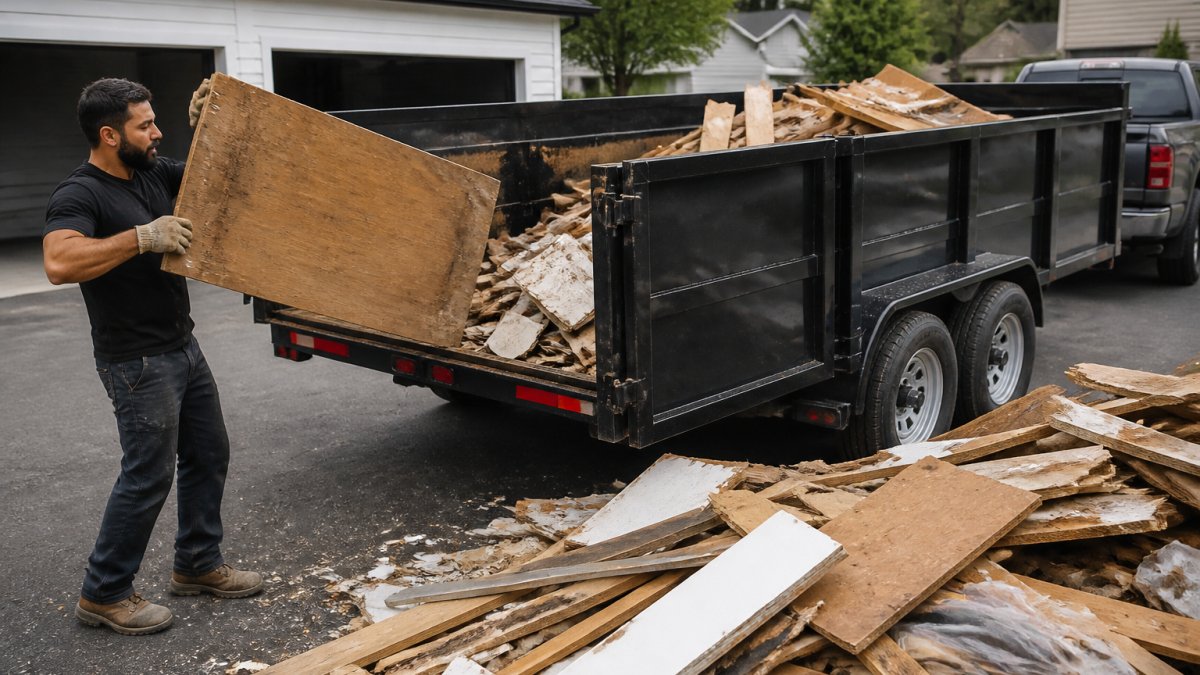
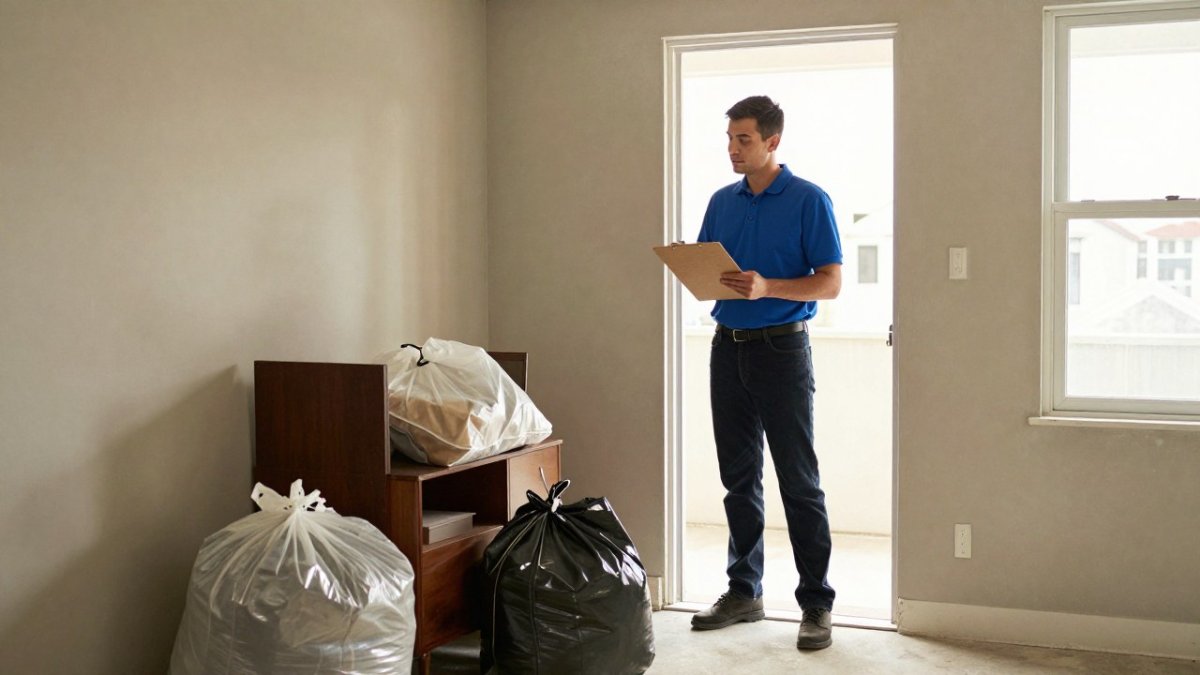
Start with a walkthrough and three piles: keep, donate, and haul. Pull bulky items, old furniture, and household junk out of the bedrooms and hallways first, then the garage. Consolidate everything near the curb or driveway so the hauling crew can load without crossing freshly cleaned floors. Book your pickup for the end of Day 1, not the morning of Day 3.
Day 2-3: Clean, Repair, and Stage
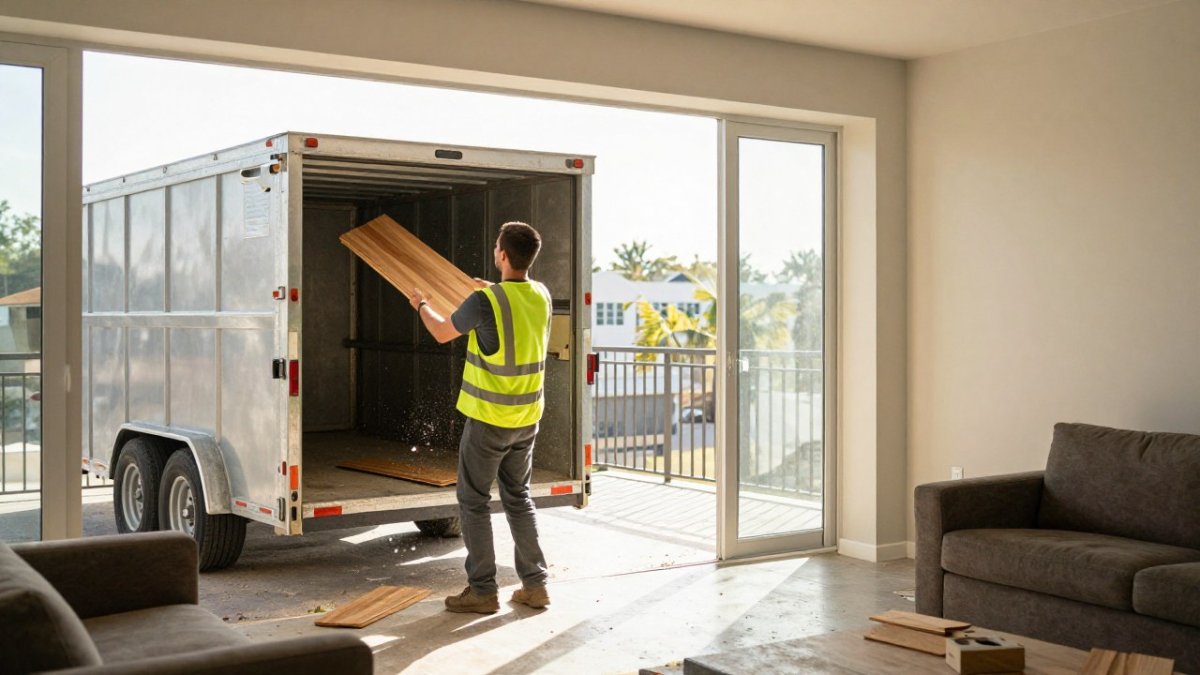
With the unit empty, cleaning and repairs move faster because nothing is in the way. Drywall patches, flooring touch-ups, and paint all go quicker in a clear room. Stage the unit on Day 3 and schedule the final walkthrough for the same afternoon. If you are managing construction debris from a renovation, keep that pile separate from tenant trash so it can be hauled in one trip.
Estimating Waste Volume Before You Book Anything
Waste-volume estimation is where most landlords guess wrong, and guessing wrong means either a second pickup or a container that swallows the driveway for a week. A full one-bedroom cleanout usually fits in a small trailer; a three-bedroom house with a garage often needs a larger container or two trips.
Use this rough guide before you call:
| Unit Type | Typical Waste Volume | Best Fit |
|---|---|---|
| Studio or single room | A few bags plus one or two bulky items | Small trailer or curbside pickup |
| One-bedroom apartment | Half a trailer of furniture and bagged trash | 14-yard disposal trailer |
| Two to three-bedroom house | Full trailer, sometimes a second load | 18-yard trailer or roll-off |
| House plus garage or renovation debris | Multiple loads, heavy debris | Roll-off container |
When in doubt, size up. An oversized container costs less than a second mobilization and a missed move-in date.
Dumpster Rental for Property Cleanouts vs Junk Hauling vs Self-Haul
Dumpster rental for property cleanouts suits projects with ongoing debris, like a renovation that will produce waste for days. Junk hauling suits a one-time clearance where you want the crew to do the loading. Self-haul is the cheapest on paper, but it only works if you have a truck, a trailer, and a place to take the waste.
Here is how we would choose:
- Dumpster or disposal trailer: best for multi-day projects, demolition debris, and roof tear-offs where waste accumulates.
- Junk-hauling crew: best for fast turnarounds where you want the unit cleared in a single visit.
- Self-haul: best for small loads and flexible schedules, but watch the disposal fees and your own time.
When a Disposal Trailer Beats a Roll-Off
A disposal trailer wins on residential driveways. It sits lower, takes up less room, and is easier to load by hand. For a rental property cleanout where the driveway is short or shared, a driveway-friendly trailer in a 14 or 18-yard size usually clears the unit without blocking the neighbor. Roll-offs make more sense for construction debris and long renovation projects where you need the extra capacity.
What a Rental Property Cleanout Really Costs and How to Compare Quotes
Pricing for a rental property cleanout generally depends on several factors, including volume, weight, access, and speed. Understanding those parts is how you compare quotes fairly instead of chasing the lowest headline number.
The Four Cost Drivers
- Volume: how much space the load takes up in the trailer or container. A half-trailer garage cleanout and a full house trash-out are not the same job, even if the item count looks similar.
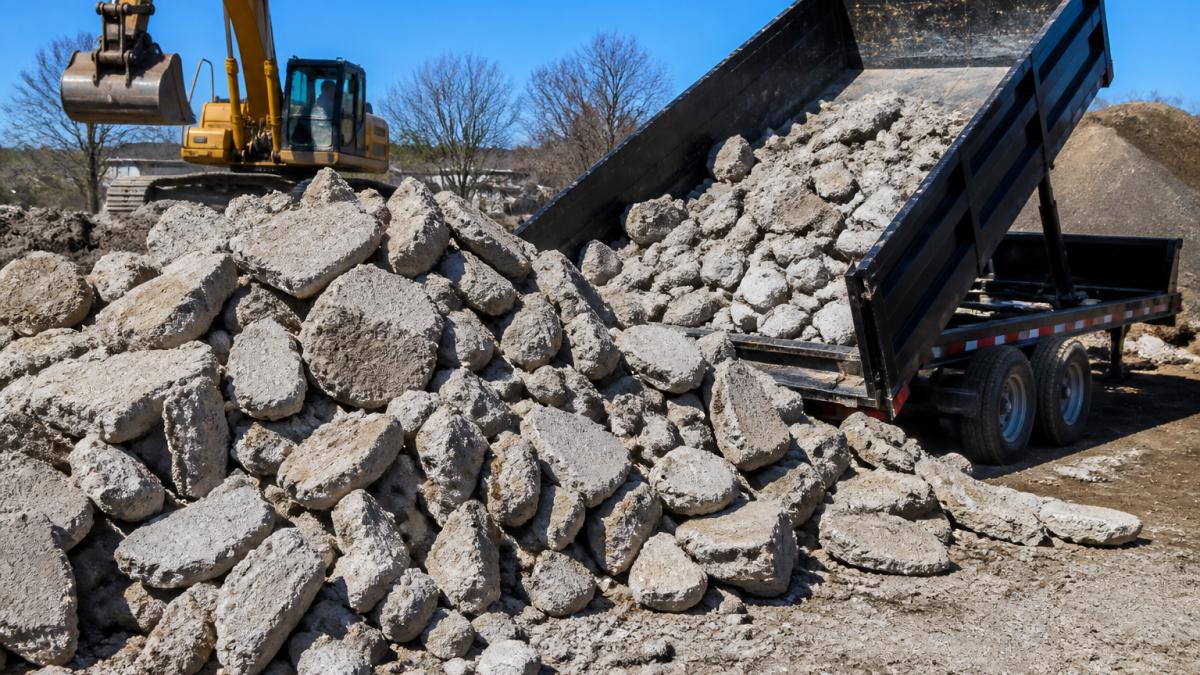
- Weight: disposal is often billed by the ton after a base allowance. Construction debris, tile, and dirt are heavy and can blow through a weight allowance fast, while furniture and bagged household trash are comparatively light.
- Access: stairs, long carries, locked gates, elevator reservations, and tight driveways add labor time. A ground-level unit with a clear driveway is the cheapest access scenario.
What a Quote Should Itemize
Ask every provider to put the same line items in writing so you can compare apples to apples:
- Base rate and what volume it covers
- Included weight allowance and the per-ton overage rate
- Disposal or tipping fees, and whether they are included or passed through
- Labor for loading, and any stair or long-carry surcharge
A common pattern is a low base rate with a thin weight allowance and a per-ton overage that only shows up on the final invoice. Get the all-in number in writing before you book.
A Realistic Comparison Example
Suppose two providers quote the same one-bedroom apartment cleanout. Provider A quotes a low base rate but excludes disposal fees and caps the included weight at a level a furniture-heavy load will exceed. Provider B quotes a higher base rate that includes disposal and a larger weight allowance. On a light load, Provider A may win; on a heavy load with a sofa, mattress, and bagged trash, Provider B is often the lower all-in cost.
How to Shorten the Quote Conversation
Have three facts ready before you call: the unit size, the approximate volume (see the sizing guide above), and your deadline.
Donation, Recycling, and Hazardous Items You Can't Just Toss
Sorting before the haul is the cheapest speed upgrade available on a turnover. Every item diverted to donation or recycling is weight you are not paying to dispose of, and every hazardous item caught on Day 1 is a load that does not get rejected at the transfer station.
The Four-Stream Sort
Run the unit in this order so nothing gets re-handled:
- Donate: furniture in decent shape, working appliances, boxed household goods, and clean linens. Photograph each item before it leaves the unit for your records.
- Recycle: metal, cardboard, clean wood, and rigid plastics. Metal in particular is worth pulling because it is heavy and often accepted separately.
- Haul: broken furniture, bagged trash, and anything not fit for donation or recycling.
- Hazardous: set aside immediately and never mix into the haul load.
What Removal Providers Commonly Will Not Accept
Many junk-hauling and dumpster providers will not take items that are regulated as household hazardous waste or that create handling risk. Common exclusions include:
- Paint, stains, and solvents
- Motor oil, antifreeze, and other automotive fluids
- Batteries, including lithium-ion and lead-acid
- Propane tanks and pressurized cylinders
Rules vary by state and by disposal facility, so confirm the specific list with your provider before the truck arrives. A load rejected at the gate costs you a second mobilization and a lost day.
Where Hazardous Items Actually Go
Household hazardous waste is commonly handled through local collection programs (the EPA). Check your local household hazardous waste program before the haul and schedule the drop-off around your turnover window. If a drop-off is not available before your deadline, set the items aside in a locked area and document them so they are not accidentally loaded.
Donation Logistics That Save a Trip
A faster pattern is to load donation items into your own vehicle on Day 1 and drop them off while the hauling crew clears the rest. Keep a simple donation log with the date, recipient, and item description; it is useful for your records and for showing tenants or owners where items went.
A Sorting Checklist for the Haul Day
- Donation items photographed and logged
- Metal and cardboard separated for recycling
- Hazardous items set aside and labeled
- Hazardous drop-off scheduled or documented
Watch out: mixing a single propane tank or paint can into a haul load can get the entire load rejected, which costs more than the item was worth.
Your Turnover Cleaning Checklist for Access, Safety, and Final Walkthrough
A turnover cleaning checklist keeps the whole job on schedule. Print this and work top to bottom:
- Confirm unit access and parking for the hauling crew
- Walk the unit and sort keep, donate, and haul
- Remove all tenant trash and bulky items
- Separate construction debris from household junk
- Set aside hazardous items for proper disposal
Two safety notes: keep walkways clear while loading, and never let anyone lift heavy furniture alone. A pulled back on move-out day costs more than the haul itself.
Booking Fast Waste Removal Before Your Next Lease Deadline
The landlords who keep vacancy days low are not the ones who clean faster.
Take Away Dump Services LLC is licensed and insured and serves property managers and landlords with driveway-friendly disposal trailers in 14 and 18-yard sizes.
Vacancy days add up fast, and the unit does not rent itself while the garage is full.
Frequently Asked Questions
What is the fastest way to remove waste during a property turnover?
Sort first, then book. Pull everything into one staging area near the door or driveway, separate donation and recycling from true trash, and schedule a hauling crew or disposal trailer for the same or next day. Fast waste removal depends less on the hauler and more on how ready the unit is when they arrive. Clear access, a defined pile, and a confirmed pickup window usually cut clearance time to a single visit instead of two.
Is junk removal or a dumpster better for a quick property turnover?
It depends on volume and how long the job runs. A junk-hauling crew suits a one-day rental property cleanout where you want the pile gone and don't want a container sitting in the driveway. A dumpster rental for property cleanouts makes more sense when debris keeps accumulating over several days, such as a renovation or roof tear-off. For a small garage or half-unit cleanout, ask about a smaller trailer rather than assuming a full container is required.
What should be removed during a tenant turnover cleanup?
Start with anything left behind: old furniture, mattresses, bagged tenant trash, and broken appliances. Then handle bulky items from closets and storage, followed by construction debris if repairs are underway. Drywall, wood, flooring, and renovation waste usually need a separate container from household junk. Hazardous items such as paint, solvents, and batteries should not go in a standard container and need a local disposal drop-off.
How can waste removal delays be avoided between tenants?
Build the pickup into the lease schedule rather than after it. Confirm the move-out date, book removal for the day after, and keep the turnover cleaning checklist tied to that window. Confirm service area coverage and ask for an upfront quote so no surprise fees push the job back.