 Ultimate guide
A Practical Guide to Commercial Waste Disposal Solutions
Last Updated: November 19, 2026
Quick Summary
Commercial waste disposal solutions are the systems, containers, and scheduled services a business uses to collect, haul, recycle, and legally dispose of the waste it generates. Match commercial dumpster sizes to both the volume and weight of your waste, and set pickup frequency around your actual generation cycle rather than a generic weekly slot.
- Audit two weeks of waste before requesting quotes so container size and weight caps fit your real volume.
- Heavy material like concrete or soil hits weight caps before volume caps, so a smaller container may fit better.
- Confirm the hauler is licensed and insured and keep the certificate of insurance on file.
- Calendar the cancellation notice deadline the day you sign to avoid automatic renewal clauses.
- Start with a trial pickup frequency and review fill levels after the first month.
Table of Contents
- What Commercial Waste Disposal Solutions Actually Include
- Matching Commercial Dumpster Sizes to Your Waste Volume
- How to Set a Commercial Waste Pickup Schedule That Works
- Construction Debris Removal for Renovations and Demolition
- What to Check in a Commercial Waste Disposal Contract
- Cost Drivers and Compliance Rules That Shape Your Bill
- Choosing a Licensed Provider and Getting Started
- Book Your Commercial Waste Pickup or Material Delivery
- Frequently Asked Questions
What Commercial Waste Disposal Solutions Actually Include
Commercial waste disposal solutions are the systems, containers, and scheduled services a business uses to collect, haul, recycle, and legally dispose of the waste it generates. Business owners who treat disposal as an afterthought often end up paying for it twice, once in surprise fees and once in stalled projects.
The core components are straightforward:
- Containers: commercial dumpsters, roll-off dumpsters, and disposal trailers sized to your volume
- Collection: scheduled pickup or on-demand hauling by a licensed hauler
- Recycling: separated recyclables collected alongside general waste
- Specialty streams: construction debris, e-waste, grease, and medical waste handled under separate rules
Most guides stop at that list. The part they miss is that your waste stream changes with your operation. A retail shop's weekly garbage looks nothing like a demolition site's debris load, and a solution built for one will fail the other.
Matching Commercial Dumpster Sizes to Your Waste Volume
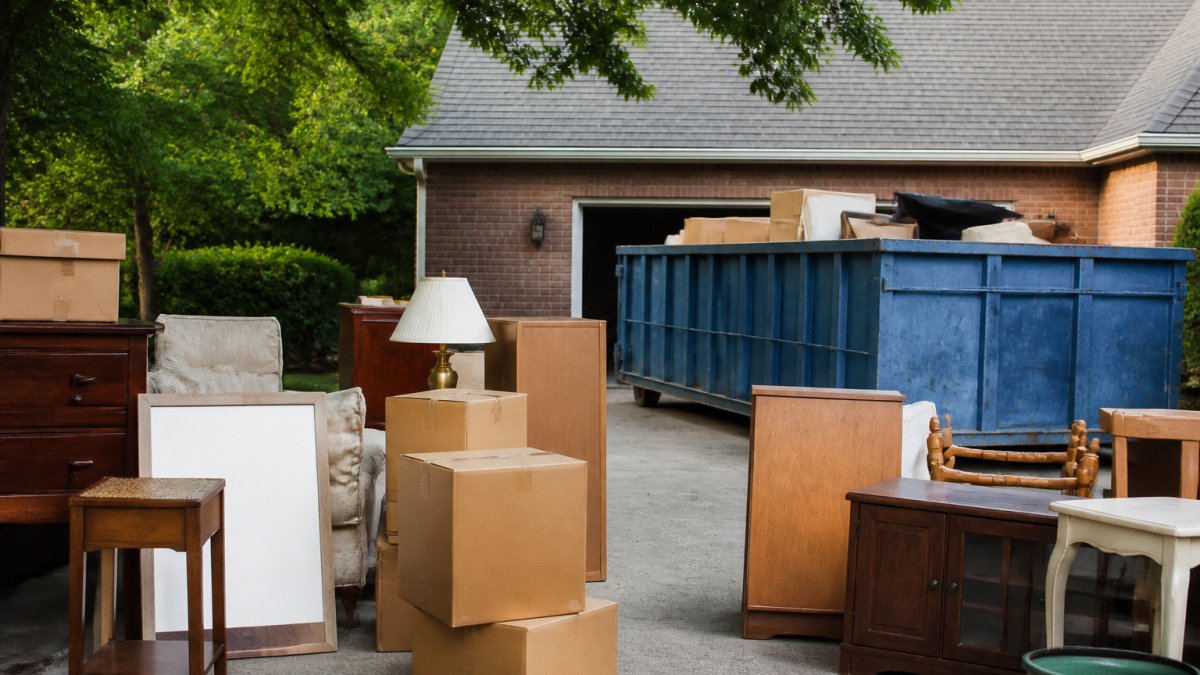
Commercial dumpster sizes should be matched to both the volume and the weight of what you throw away, not just how full the container looks. A common mistake is renting the biggest container available and assuming it solves the problem. Overfilling a small unit costs more in fees than upsizing would have.
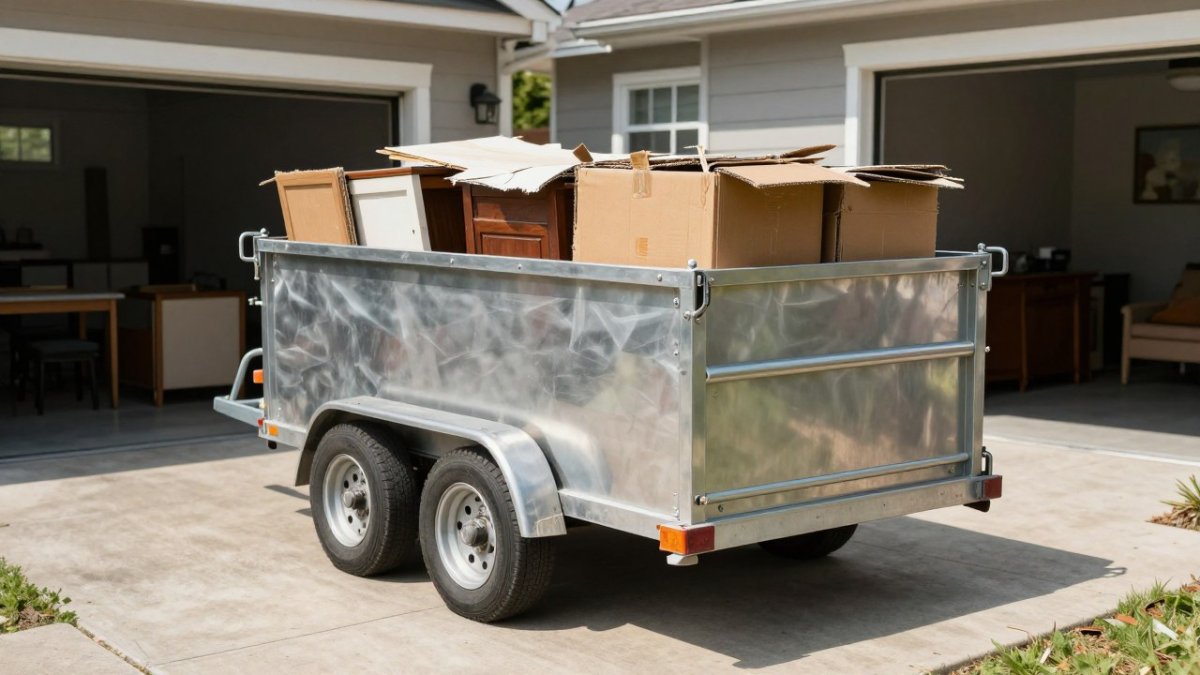
Start by measuring a week of waste. Count bags, note bulky items, and flag anything heavy like concrete or shingles. Then match:
- Light, bulky debris: a larger container with lower weight limits works well
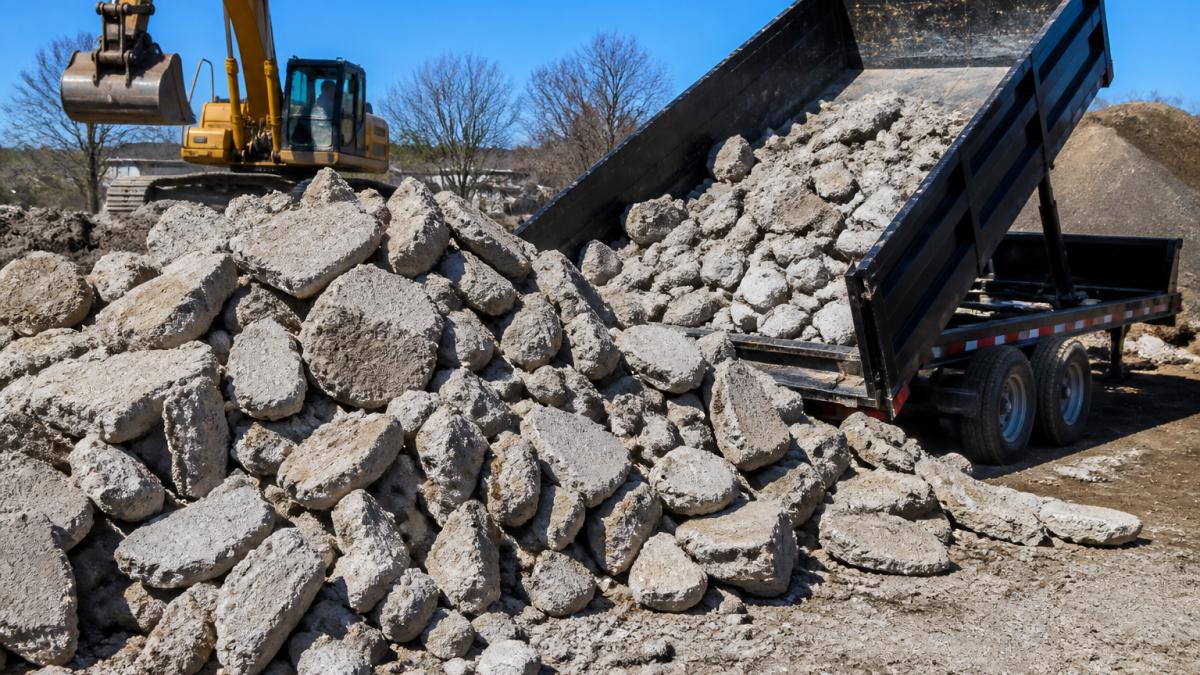
- Heavy material like concrete or soil: a smaller container, because weight caps hit before volume does
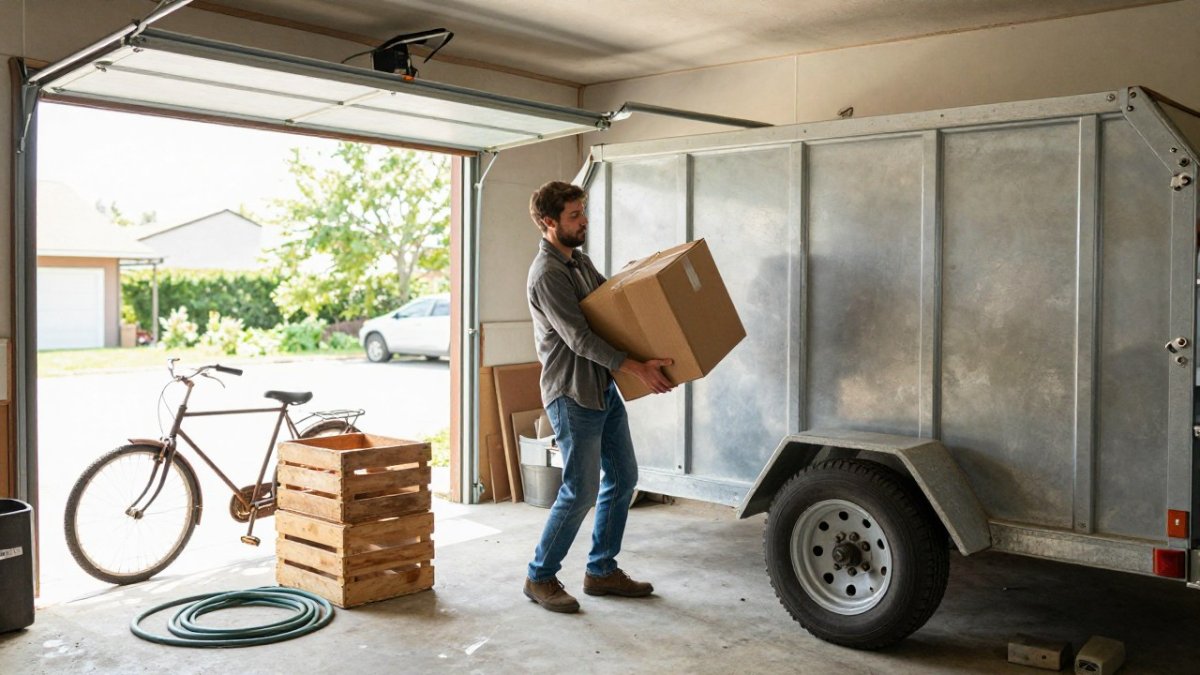
- Tight driveways: driveway-friendly trailers that distribute weight and protect asphalt
If you're unsure, ask the provider to walk your site. A reputable hauler will tell you when a smaller unit fits better, even though it earns them less.
How to Set a Commercial Waste Pickup Schedule That Works
A commercial waste pickup schedule should match your actual generation cycle, not a generic weekly slot. Businesses that generate waste in bursts, like restaurants after a weekend rush or contractors after a demo day, often need on-call pickup rather than a fixed route.
Set your frequency around three inputs: how fast containers fill, how much storage space you have, and whether odors or pests are a concern. For tight turnover deadlines, fast waste removal for turnovers that won't delay move-in explains how quick-response hauling works when a tenant is waiting.
Watch out: locking into a fixed schedule before you've tracked two weeks of real volume is the fastest way to pay for empty pickups or overflow fees in the same month.
Construction Debris Removal for Renovations and Demolition
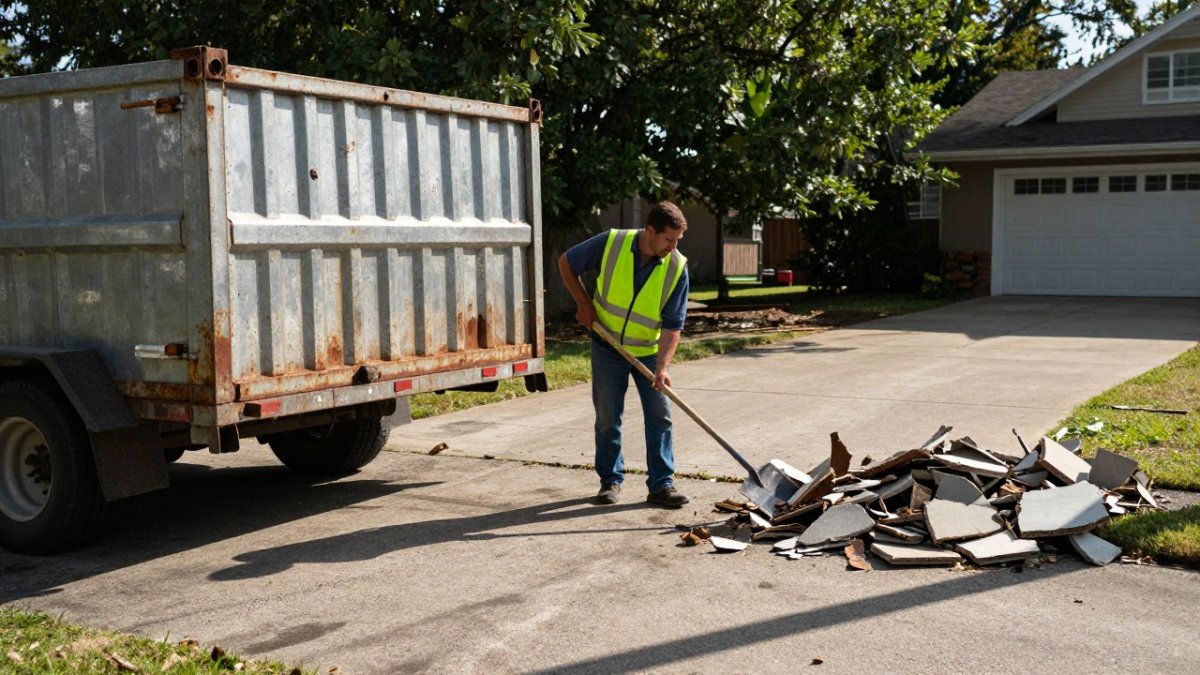
Construction debris removal covers the hauling and disposal of material generated by demolition, remodeling, and roof tear-offs, including drywall, lumber, shingles, and masonry. This is the waste stream where mistakes get expensive, because many landfills and transfer stations price construction debris differently than household trash.
Contractors often need two things at once: debris hauled out and materials brought in. Disposal trailers in 14 and 18 yard sizes can be paired with deliveries of topsoil, crushed concrete, crushed limestone, and fill dirt. One trip, both directions.
Separating clean concrete and masonry from mixed debris when you can often reduces disposal cost and keeps recyclable material out of the landfill.
What to Check in a Commercial Waste Disposal Contract
A commercial waste disposal contract should state the container size, pickup frequency, included weight or volume, overage charges, fuel and environmental fees, contract term, and cancellation terms in plain language. If any of those are missing, ask before you sign.
Fees that appear after the fact are a common complaint in this industry. Read for:
- Automatic renewal clauses that lock you in for another year
- Overage rates per ton or per pickup
- Accessorial charges for blocked containers or extra trips
- Notice periods for cancellation
A contract you can explain to your bookkeeper in one minute is usually a fair one.
Cost Drivers and Compliance Rules That Shape Your Bill
Pricing for commercial waste disposal is built from a handful of inputs, and understanding them helps you compare quotes. For current pricing from Take Away Dump Services LLC, check the company website or request a quote, since pricing depends on quantity, dates, and delivery.
The cost drivers, in rough order of impact:
- Container size and type. A larger container costs more per month but can reduce pickup frequency. The trade-off is that a large container with a low weight cap can cost more than a smaller unit picked up more often if your waste is heavy.
- Pickup frequency. Scheduled pickups are priced per stop; on-call pickups are priced per trip and usually carry a higher per-trip rate. Paying for empty scheduled pickups is one of the most common avoidable costs.
- Weight and volume. Many disposal facilities price by ton, and overage is billed per ton or per pickup above the included amount. Heavy material such as concrete, soil, and shingles hits weight caps before volume caps.
- Waste type. Construction and demolition debris, grease, e-waste, and medical waste are priced and regulated differently from general trash, and some facilities surcharge or refuse certain streams.
- Distance and facility fees. Hauling distance to the transfer station or landfill, plus tipping fees, are passed through in the rate or as a separate line.
- Contract term. Longer terms can lower the monthly rate but increase the cost of exiting early. Month-to-month service usually costs more per month and less to leave.
Surcharges and fees to read line by line. Fuel and environmental fees are common and can change during the term. Accessorial charges apply when a container is blocked, overloaded, or contaminated, or when an extra trip is needed.
Contract cost risks. Automatic renewal clauses can extend a term you meant to end. Overage rates that looked reasonable per pickup can add up quickly on heavy debris. Notice periods of 30, 60, or 90 days mean a cancellation you request today may not take effect for months.
Compliance rules that shape the bill. Business waste is regulated differently than household trash in most jurisdictions, and haulers must hold the proper licenses for the streams they handle.
| Waste Type | Typical Container | Pickup Pattern | Watch For |
|---|---|---|---|
| General office/retail | Commercial dumpster | Scheduled weekly | Overage fees |
| Construction debris | Roll-off dumpster or trailer | On-call per phase | Weight caps |
| Recyclables | Separate bin | Scheduled | Contamination |
| Yard/landscape material | Trailer | Per project | Local bans on burning |
How to compare bids without a flat rate. Ask each provider for a written quote that names every fee, then compare the all-in monthly cost at your audited volume and frequency, not the headline rate.
Choosing a Licensed Provider and Getting Started
Choosing a licensed provider works best as a short, repeatable process rather than a gut call on the lowest quote.
Step 1: Audit two weeks of waste before you call anyone. Walk the property at the end of each shift and record what actually goes into the bin: bagged general waste, cardboard, food scraps, pallets, shrink wrap, metal, or liquids. Note bulky items and anything heavy such as concrete, tile, or soil. A common pattern is that a business underestimates weight and overestimates volume, which leads to a container that is too large and a weight cap that is too low.
Step 2: Separate streams on paper first. List general waste, recyclables, and any specialty stream such as grease, e-waste, or medical waste.
Step 3: Request written quotes on identical terms. Give every provider the same container size, pickup frequency, and waste description so the bids are comparable.
Step 5: Confirm access and container footprint before delivery. Measure the delivery path and the pad. Check gate width, overhead branches or wires, turning radius, and whether the surface can bear a loaded container.
Step 6: Launch with a trial frequency, then adjust. Start at the frequency your audit suggests and review fill levels after the first month. The right schedule often takes one or two adjustments rather than the first guess.
Step 7: Document the service-level expectations. Put pickup windows, missed-pickup remedies, contamination rules, and a point of contact in writing.
Automatic renewal clauses and long notice periods are contract terms that can trap businesses, so calendar the notice deadline the day you sign. 7 reasons to choose professional debris removal covers the case for hiring out rather than self-hauling, including liability and disposal-site access.
Book Your Commercial Waste Pickup or Material Delivery
The gap between a smooth project and a stalled one usually comes down to booking early and confirming access. Before you schedule, clear the driveway, mark any sprinkler heads or utilities, and confirm the container footprint fits.
Take Away Dump Services LLC is licensed and insured and runs driveway-friendly disposal trailers in 14 and 18 yard sizes, with topsoil, crushed concrete, crushed limestone, and fill dirt delivery for DIY projects. Property cleanouts, demolition debris, remodeling, and roof tear-offs are among the disposal needs the company serves in the downriver area. If you're ready to lock in a date, our same-day debris removal booking guide walks through the scheduling steps.
Get started with Take Away Dump Services LLC and keep your project moving without a disposal delay.
Frequently Asked Questions
How do I choose the right commercial dumpster size?
Start with the volume of waste you generate in a week, not the size of your building. A small office or retail space usually fits a modest container, while a construction site or property cleanout needs a larger roll-off or disposal trailer. Take Away Dump Services LLC offers 14 and 18 yard disposal trailers, and the right pick depends on how much debris you expect and how often it will be picked up. Ask for a volume estimate before you book.
How often should a business schedule waste pickup?
Pickup frequency should follow your actual waste stream. A restaurant or busy retail location may need several collections a week, while a small office can run on one weekly pickup. Set your commercial waste pickup schedule around peak business days so containers do not overflow. If you are unsure, start with a conservative schedule and adjust after the first month based on how full the container is before each collection.
What should I check before signing a commercial waste disposal contract?
Read the term length, the cancellation notice period, and what triggers extra fees. Confirm which waste types are accepted, whether recycling is included, and how overage is billed if your container is overfilled. Ask whether the price covers fuel and disposal charges or adds them later. A clear commercial waste disposal contract states the service frequency, container size, and any access or weight limits in writing before you sign.
Can a disposal service handle construction debris and property cleanouts?
Yes. Construction debris removal and property cleanouts are common commercial waste disposal solutions. Providers haul away demolition debris, roofing tear-off material, remodeling waste, and household items from cleanouts. Heavy materials like concrete and dirt are usually separated because of weight limits. Tell your provider what the load contains when you book so the right container and pickup plan are assigned.
How do I know a container will not damage my driveway?
Ask the provider how their equipment contacts the surface. Disposal trailers and roll-off containers can mark asphalt if they are dragged or loaded too heavily. Take Away Dump Services LLC advertises driveway-friendly service, so ask where boards or protection should be placed and keep heavy loads within the rated weight. Point out any cracks or soft spots before delivery so the driver can position the container carefully.